Wildlife Removal vs. Pest Control: Understanding the Difference
Wildlife removal and pest control services help homeowners eliminate unwanted animals or pests, with local contractors providing safe, effective solutions tailored to each situation.
Understanding the difference between wildlife removal and pest control is an important step for property owners facing unwanted visitors or infestations. While these terms are sometimes used interchangeably, they refer to distinct services that address different types of nuisances. If you’ve noticed animals in your attic, chimney, or yard, or if pests like insects and rodents are causing trouble inside your home, knowing which service to seek can help ensure the problem is handled effectively. This page is designed to help you compare these services and connect with local contractors who specialize in each area, so you can make informed decisions about protecting your property.
Property owners in the area often turn to local contractors for wildlife removal or pest control based on the specific nature of their issues. Wildlife removal typically involves humane techniques for evicting animals such as raccoons, squirrels, or birds, and preventing future entry points. Pest control services, on the other hand, focus on eliminating insects, rodents, and other common household pests. Understanding these differences can help you choose the right professional for your situation, ensuring the problem is addressed properly. Keep reading to learn more about how wildlife removal and pest control services can help safeguard your home or business.
- Wildlife removal - needed when animals like raccoons or squirrels invade homes or attics, with local contractors specializing in humane exclusion methods. Pest control - appropriate when insects or rodents are causing infestations, with service providers focusing on targeted extermination techniques. Wildlife removal vs. pest control: understanding the difference helps determine whether the issue involves larger animals or smaller pests, guiding local pros to choose the right approach. Wildlife removal services often involve removal and exclusion of larger animals, while pest control emphasizes elimination of insects and smaller pests. Both types of services require different strategies, and local service providers can help identify the appropriate solution based on the specific wildlife or pest problem.
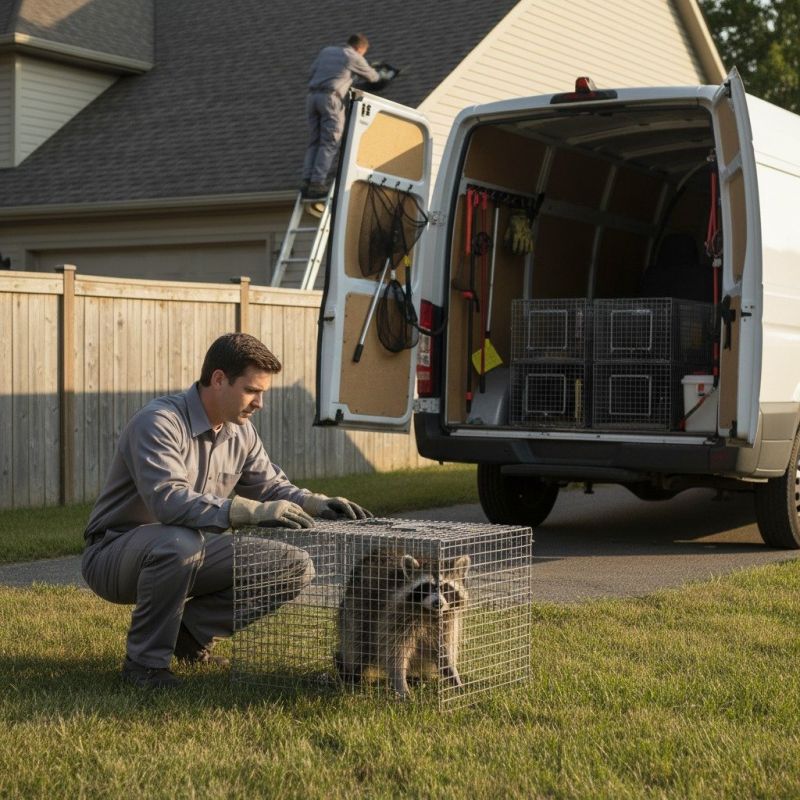
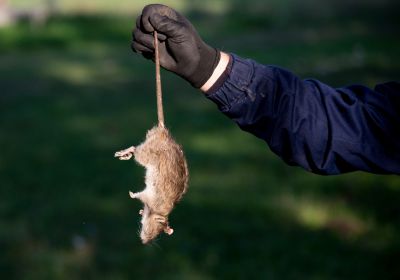
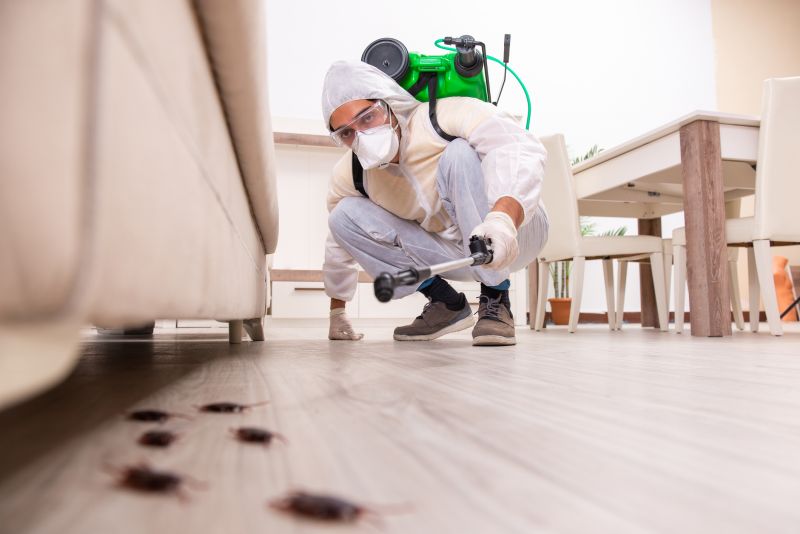
When people search for wildlife removal vs. pest control: understanding the difference, they are usually trying to clarify which type of service is needed for their specific problem. Many homeowners encounter situations where animals like raccoons, squirrels, or bats have taken up residence in their homes or on their properties, prompting a need for wildlife removal. On the other hand, pest control typically involves addressing issues caused by insects such as ants, termites, or cockroaches that threaten the comfort and safety of the living space. Understanding this distinction helps homeowners determine whether they need a professional who specializes in humane removal of larger animals or one who handles insect infestations. Recognizing the nature of the problem is essential for choosing the right approach and ensuring the property is properly and safely managed.
The problems associated with wildlife removal vs. pest control often involve different plans and strategies. Wildlife removal usually requires identifying the entry points animals are using, safely trapping or excluding them, and preventing future visits. These services are often sought when animals have caused damage or pose health risks, such as spreading diseases or contaminating food sources. Pest control, by contrast, focuses on eliminating insects and pests that multiply rapidly and can cause structural damage or health issues through bites and contamination. Homeowners might plan to treat infestations with targeted methods that reduce pest populations and prevent their return. Both types of services aim to restore a safe, comfortable environment, but the techniques and considerations vary significantly depending on whether the issue involves wildlife or insects.
The types of properties that typically come up in wildlife removal vs. pest control discussions include residential homes, commercial buildings, and sometimes even outdoor structures like sheds or garages. Homes are common sites for wildlife issues, especially in areas where animals can access attics, crawl spaces, or wall cavities. These spaces provide ideal shelter for larger animals, and local wildlife removal pros are equipped to handle such situations humanely. Pest control concerns often focus on indoor spaces where insects or rodents have established colonies or infestations. Apartments, offices, and retail spaces may also experience pest problems, especially in areas with high foot traffic or food storage. Understanding the property type helps homeowners and property managers decide whether they need wildlife removal services to handle larger animals or pest control to address insect or rodent issues.
Connecting with local wildlife removal or pest control service providers is a practical step when facing these property challenges. These professionals are familiar with the common pests and wildlife in specific regions and can tailor their services accordingly. Whether it’s removing raccoons from an attic or eradicating a cockroach infestation, local contractors have the experience and tools to handle each situation effectively. Homeowners should consider the type of problem they face and the property’s layout to identify the right specialist. By working with experts who understand the differences between wildlife removal and pest control, property owners can ensure the problem is addressed safely and thoroughly, helping to prevent future issues. This targeted approach makes it easier to maintain a safe, pest-free, and wildlife-resident-free environment.
Wildlife trapping and exclusion - local contractors often use trapping and exclusion techniques to remove animals from properties, which are essential skills in wildlife removal services.
Pest inspection and identification - identifying pest species and their entry points is a common step shared by wildlife removal and pest control professionals.
Habitat modification and prevention - both types of service providers implement landscape and structural adjustments to prevent future infestations or wildlife intrusion.
Damage repair and cleanup - repairing entry points and cleaning up after wildlife or pest activity are tasks frequently handled by local contractors in both fields.
Use of trapping devices and barriers - installing traps, one-way doors, or barriers is a skill used by pros in wildlife removal and pest control to manage unwanted pests or animals.
Property assessment and planning - evaluating property vulnerabilities and planning targeted removal or control strategies are common steps in both services.
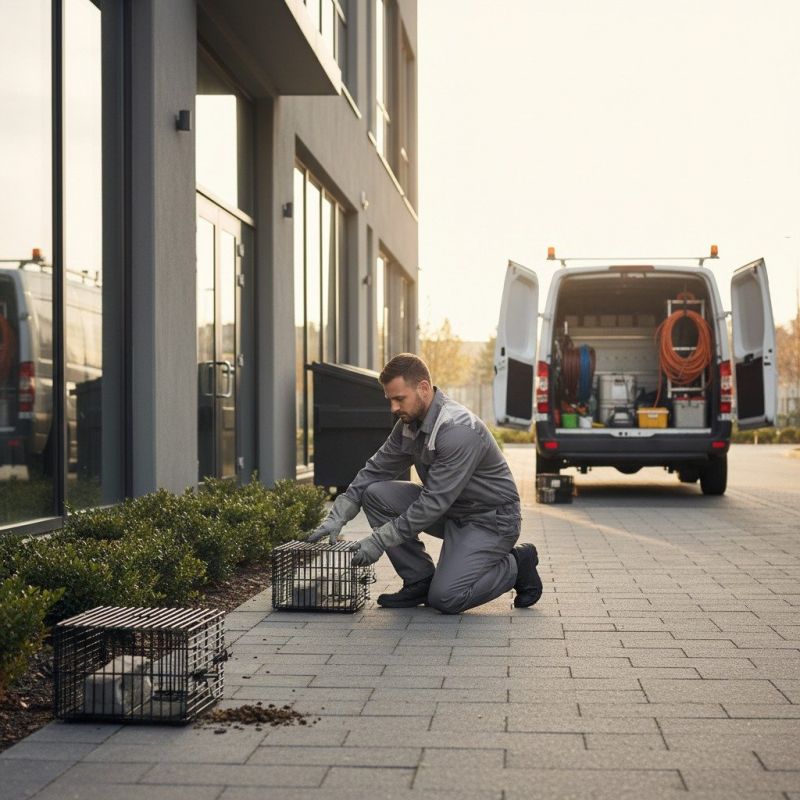
When comparing wildlife removal and pest control services, it’s important to consider the experience of local contractors with similar projects. Wildlife removal often involves handling larger animals such as raccoons, squirrels, or bats, requiring different techniques and equipment compared to pest control, which typically targets insects or smaller pests. Ensuring that prospective service providers have a history of successfully managing wildlife-specific situations can help ensure the job is addressed safely and effectively. Asking about their experience with projects similar to your needs provides insight into their familiarity with the unique challenges that come with wildlife removal versus pest control.
Clear, written expectations are essential when evaluating local service providers. A reputable contractor should be able to outline the scope of work, the methods they plan to use, and any follow-up steps involved in wildlife removal or pest control. This transparency helps prevent misunderstandings and ensures that homeowners are aware of what to expect throughout the process. When comparing options, look for providers who can provide detailed descriptions of their approach, including how they handle different types of wildlife or pests, so that expectations align with the services offered.
Reputable references and good communication are key factors in choosing the right local contractor. Service providers with a history of positive feedback from previous clients demonstrate a track record of reliable work. Additionally, clear and responsive communication during the inquiry process indicates professionalism and a willingness to address questions or concerns. This can be particularly important when differentiating between wildlife removal and pest control, as each may require specific knowledge and handling techniques. Prioritizing contractors who are transparent, communicative, and well-referenced can help ensure the chosen professional is capable of delivering the appropriate service for wildlife or pest issues.
Property owners often search for wildlife removal vs. pest control: understanding the difference when they are planning practical projects around their homes and businesses. Local pros provide Wildlife Removal or Pest Control services for everyday jobs and straightforward project options.
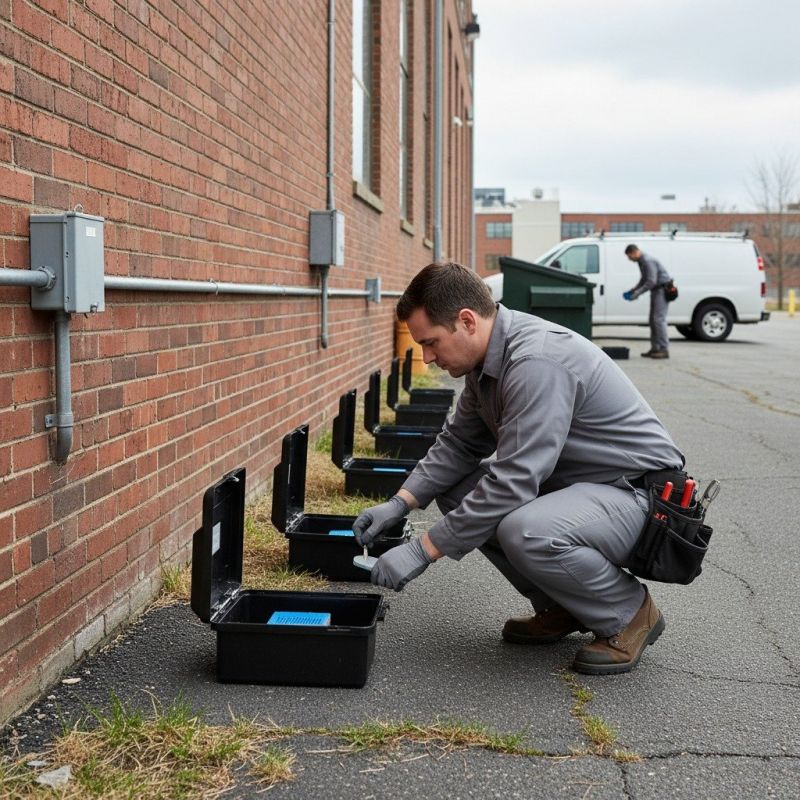
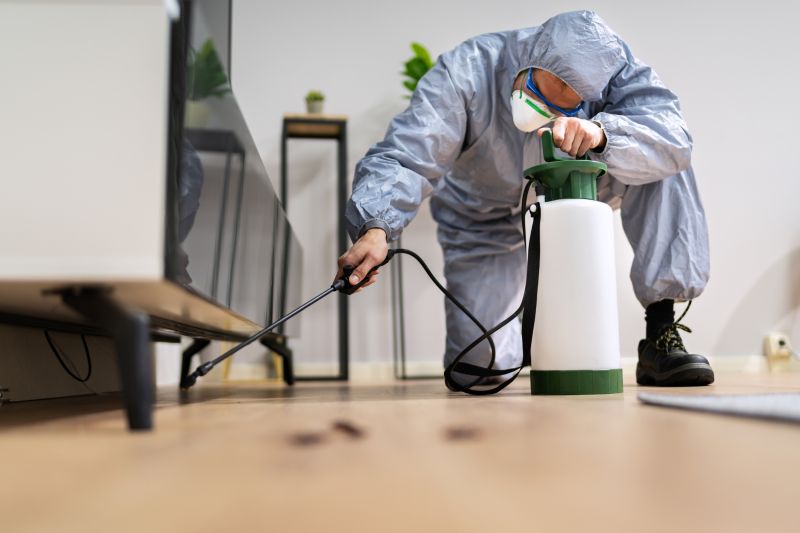
Wildlife removal vs. pest control: understanding the difference is a common concern for property owners dealing with unwanted animals or pests on their property. Homeowners might notice raccoons in the attic, squirrels in the walls, or birds nesting in gutters, prompting them to seek specialized services to handle these situations. Local contractors who offer wildlife removal focus on safely and humanely removing larger animals that have intruded into the property, often requiring different techniques than those used for insects or rodents. People searching for these services want to ensure the problem is addressed effectively and humanely, making it important to understand which type of service best fits their specific situation.
Property owners frequently look into pest control when they encounter issues with insects, rodents, or other small pests that invade homes or businesses. These services typically involve targeted treatments to eliminate pests and prevent future infestations. In contrast, wildlife removal services are more appropriate when larger animals have entered the property or are causing damage, such as raccoons, bats, or squirrels. Understanding the difference helps property owners choose the right local service providers for their needs, ensuring that the appropriate methods are used for safe and effective removal or control.
What is the main difference between wildlife removal and pest control? Wildlife removal focuses on safely excluding and relocating animals like raccoons, squirrels, or birds from properties, while pest control targets insects and rodents through extermination or prevention methods. Local service providers typically specialize in one or the other based on the type of nuisance.
When should I consider wildlife removal instead of pest control? Wildlife removal is appropriate when animals such as bats, raccoons, or birds are causing issues, especially if they are nesting or entering the home, whereas pest control is suited for insect or rodent infestations.
Are wildlife removal services safe for the animals involved? Yes, wildlife removal services aim to humanely exclude animals and prevent future entry, avoiding harm to the animals while protecting property and inhabitants. Local contractors often prioritize humane practices in their services.
Can pest control services handle wildlife issues? Most pest control services focus on insects and rodents and may not be equipped to handle larger animals or nesting wildlife. For wildlife concerns, specialized wildlife removal contractors are typically recommended.
How do I know if I need wildlife removal or pest control? Identifying the type of nuisance-such as visible animal activity or insect infestations-can help determine the appropriate service. Local service providers can assess the situation and recommend the right approach based on the specific problem.
Identify wildlife entry points - property owners can inspect their buildings for gaps or holes that wildlife may use to enter, and then seek wildlife removal services to address these issues.
Differentiate pest types - understanding whether pests are insects or rodents helps determine if pest control or wildlife removal is appropriate for the situation.
Implement targeted exclusion methods - local contractors can advise on sealing entry points or installing barriers tailored to wildlife or pest species.
Choose appropriate removal techniques - property owners can work with service providers to select humane wildlife removal or chemical pest control based on the pest problem.
If you are thinking about wildlife removal vs. pest control: understanding the difference for a property, this guide is meant to help you understand this topic, the typical project types, and how different options might fit your plans.
When you are ready, you can use the quote form on this page to share a few details about your project. From there, local pros can review the basics and follow up with options that match what you have in mind.